Discover impactful patient testimonial video examples that enhance conversions and engagement at hospitals and clinics. Learn the best practices!
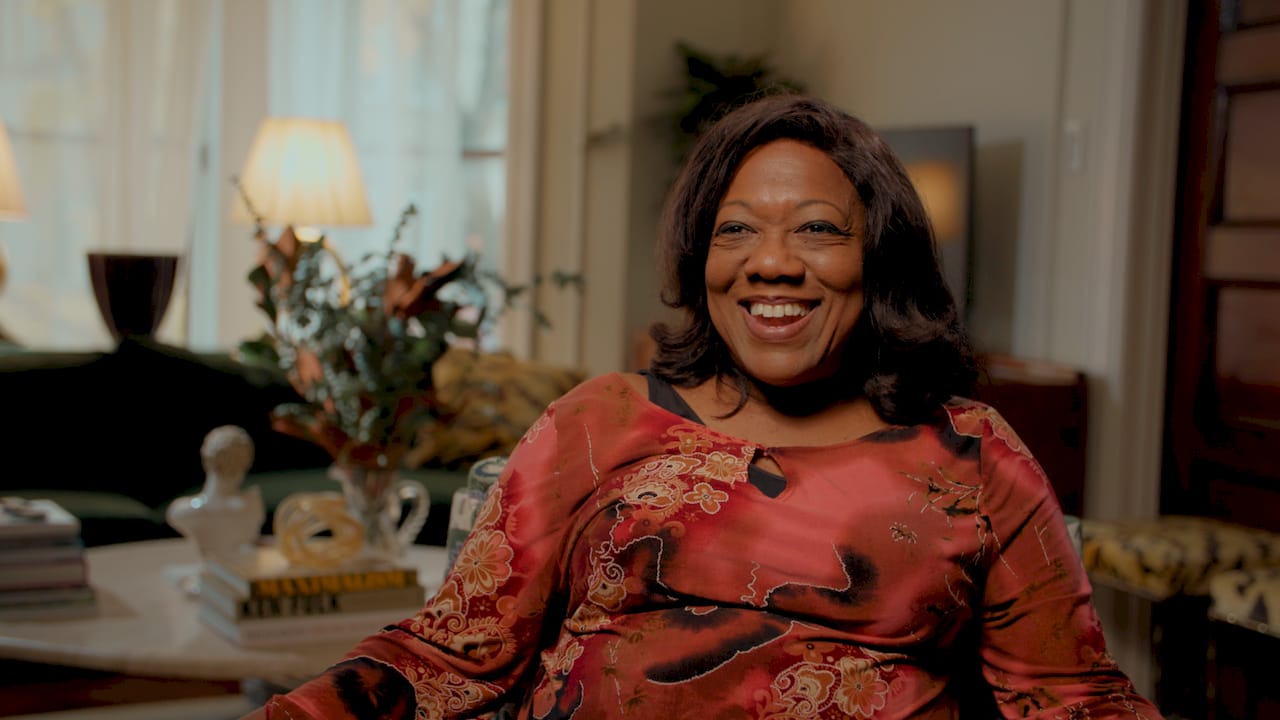
Patient Testimonial Video Examples for Hospitals and Clinics
TL;DR:
Effective patient testimonial videos combine authentic storytelling with strict HIPAA compliance to build trust. They follow a three-part narrative, use placement-specific runtimes, and are shot with an emphasis on realism over polish. These videos serve multiple marketing channels, from websites to social media, maximizing their long-term impact.
A strong patient testimonial video combines an unscripted first-person narrative, a clear three-part story arc, HIPAA-compliant authorization, and deliverables sized to each placement. The best healthcare testimonial examples run a few minutes for a full interview, include short social cutdowns, and target measurable lifts in watch time and service-page conversions. For cinematic, compliant production, the AMA Code of Medical Ethics and HIPAA/HHS guidance set the compliance floor, and Simchon Productions builds every patient story video to meet both.
Full interview runtime: a few minutes
Social cutdown: brief seconds
Ad cutdown: very short seconds
Primary KPIs: watch time, service-page leads, booking conversions
Table of Contents
What are the best patient testimonial video examples to model?
What narrative structure should every patient testimonial follow?
What legal and ethical steps does your organization need before filming?
What runtimes, formats, and deliverables should you request from a vendor?
What does a realistic production timeline and budget look like?
What should your shot list and sound plan include for authentic storytelling?
How do you measure success and reuse testimonial videos across channels?
Key Takeaways
Why cinematic authenticity matters more than production polish
What Simchon Productions offers for patient testimonial production
Useful sources and further reading
FAQ
What are the best patient testimonial video examples to model?
The six formats below cover every stage of the patient decision journey, from first awareness to final booking. Match the format to the placement before you write a single interview question.
Format | Runtime | Best Placement | Aspect Ratio |
|---|---|---|---|
Social micro-testimonial | short duration | Instagram, TikTok, paid social | 9:16 vertical |
Website hero testimonial | moderate duration | Homepage, service landing page | 16:9 |
Documentary-style journey | several minutes | YouTube, campaign hub page | 16:9 |
Procedure journey | a few minutes | Procedure-specific service page | 16:9 |
Caregiver perspective | moderate duration | Family-focused landing pages, email | 16:9 |
Compilation montage | extended duration | Waiting room screens, event decks | 16:9 or 1:1 |
Four creative hooks that work across these formats:
Transformation hook: Open on the patient’s lowest point, then cut to where they are now. Keep the contrast visual, not narrated.
Process-first hook: Start with B-roll of the procedure environment, then let the patient explain what they expected versus what they got.
Emotion-led close-up: Hold a tight shot on the patient’s face during a pause. Let silence carry the weight before the next sentence.
Clinician-voice overlay: Layer a brief, compliant clinician statement over patient B-roll to add clinical credibility without a separate interview setup.
Pro Tip: For cinematic patient trust, plan the social cutdown in pre-production, not in the edit bay. Shoot the 15-second moment intentionally rather than hoping it appears in a 4-minute interview.
What narrative structure should every patient testimonial follow?

The most emotionally resonant real patient experiences follow a three-part arc: initial challenge, experience of care, resolution. State that arc in the first line of your interview brief so the patient understands the shape of the conversation before the camera rolls.
Interview questions that surface each beat:
What was life like before you came to us? What were you dealing with day to day?
What made you decide to seek care at this point?
Walk me through your first appointment. What surprised you?
What did the care team do that you did not expect?
How do you feel now compared to six months ago?
What would you tell someone who is hesitating to come in?
Story beats to capture on camera:
The specific moment the patient decided to act
A sensory detail from the care environment (the room, a staff member’s name, a small gesture)
The first sign that things were improving
Where the patient is today, stated in their own words
Pro Tip: Never hand a patient a script. Give them the three questions you plan to ask, let them think overnight, and then record their natural answer. Pauses, hesitations, and unfinished sentences are not problems to fix in post; they are the signals that make a testimonial believable.
What legal and ethical steps does your organization need before filming?
Compliance must happen before a camera is unpacked. The mandatory pre-production steps are: obtain a standalone HIPAA-compliant authorization form, execute Business Associate Agreements with every vendor who will handle footage, and audit the filming environment for incidental PHI.
Legal checklist:
Obtain a separate video authorization form (not bundled into intake paperwork) that names each distribution channel, sets an expiration or event-based end date, and allows written revocation per HIPAA/HHS guidance
Execute BAAs with the production company, editing staff, and any cloud storage provider handling raw footage
Audit the filming location for visible PHI: whiteboards, charts, monitors, and other patients in frame
If PHI is captured inadvertently, blur or delete it irreversibly before any file leaves the edit suite
If a patient is compensated, disclose the material connection on screen and in video descriptions per FTC guidance
Per the AMA Code of Medical Ethics, use a disinterested third party to manage testimonial collection and reduce pressure on patients
Consent form key fields:
Patient name and date of consent
Explicit list of distribution channels (website, social, paid ads, email, waiting room)
Expiration date or revocation event
Patient right to approve the final cut before publication
Compensation disclosure if applicable
Pro Tip: Give patients multiple participation levels to choose from: full on-camera interview, audio with a still photo, written quote with approval, or anonymized aggregate montage. More options mean higher participation rates and lower compliance risk.
What runtimes, formats, and deliverables should you request from a vendor?
Request deliverables by placement from day one of pre-production. A full testimonial runs a few minutes; a social cut is brief; a paid ad cutdown is very short. Locking these targets before the shoot shapes the interview length and B-roll list.
Placement | Runtime | Aspect Ratio | Resolution |
|---|---|---|---|
Website service page | a few minutes | 16:9 | — |
Homepage hero | moderate duration | 16:9 | — |
Instagram / TikTok | short duration | 9:16 | — |
YouTube pre-roll | short duration | 16:9 | — |
Paid display / retargeting | very short duration | 1:1 or 16:9 | — |
Waiting room screen | extended duration | 16:9 | — |
Deliverables checklist:
Full-length master (ProRes or H.264, 16:9)
Social cutdowns at 9:16 and 1:1
Ad cutdown at 6–15 seconds
Closed captions file (SRT) for every version
Three to five production stills cleared for use
Transcript for accessibility and SEO
Closed captions are not optional. The Americans with Disabilities Act and platform autoplay defaults both require them, and captions increase average watch time on silent-autoplay feeds.
What does a realistic production timeline and budget look like?
Plan for 2–4 weeks of pre-production, 1–2 shoot days, and 1–3 weeks of post-production. Budgets vary by scope, but the ranges below reflect current North American market rates for hospital video production.
Scope | Budget Range | What Is Included |
|---|---|---|
Basic | moderate budget range | 1 camera, 1 crew member, basic edit, 1 cutdown |
Mid-range | higher budget range | 2-camera setup, sound recordist, color grade, multiple cutdowns, SRT |
Cinematic | premium budget range | Full crew, B-roll day, motion graphics, many cutdowns, legal review |
Timeline milestones:
Early weeks: Legal review, consent forms, patient recruitment, location scout
Following weeks: Pre-production brief, interview prep, shot list finalized
Shoot day(s): Interview, B-roll, natural sound capture
Subsequent weeks: Rough cut, patient review and approval, revisions
Final week: Final deliverables, caption files, asset handoff
Line items to confirm with your vendor: crew day rates, sound recordist, B-roll location fees, color grading, caption authoring, legal review of final cut, and asset storage.
What should your shot list and sound plan include for authentic storytelling?
Capture close-ups, medium interview shots, environment B-roll, natural sound, and reaction cutaways. Those five categories give an editor everything needed to build a cinematic, emotionally honest cut without exposing PHI.
Shot list:
Medium interview shot (chest to top of head, shallow depth of field)
Tight close-up on eyes and hands during emotional moments
Environment B-roll: hallway, reception area, exterior of facility (no patient charts or identifiers in frame)
Activity B-roll: patient walking, interacting with staff, returning to daily life
Reaction cutaways: patient listening, nodding, pausing before answering
Sound checklist:
Lavalier microphone on the patient (primary)
Backup recorder on a boom or second lav
Room tone recording (30 seconds minimum) at each location
Natural sound captured during B-roll (ambient hallway, outdoor sounds)
Pro Tip: Informal, on-location settings with a lightweight camera and small crew increase perceived authenticity compared to studio setups. Shoot in the patient’s home or a familiar clinic space whenever the consent form and PHI audit allow it.
How do you measure success and reuse testimonial videos across channels?
Watch time and service-page lead conversions are the primary KPIs. The key business metric is the conversion from a procedure page to a booking or inquiry form, tracked via UTM parameters on the embedded video.
Hospitals that embed testimonial videos across service pages, email nurture sequences, and social feeds turn single productions into long-term trust assets that compound over time.
KPIs and measurement methods:
Views and unique viewers (YouTube Analytics, native social dashboards)
Average watch time and completion rate (target 50%+ completion on full-length)
Click-through rate from video to booking or contact page
Assisted conversions in Google Analytics (last-touch and multi-touch)
Testimonials earn strong effectiveness scores at the decision stage of the patient journey
Reuse checklist:
Website service page: full-length 2–4 minute version
Email nurture: 60–90 second caregiver or hero cut
Paid social retargeting: 15–30 second cutdown
Waiting room: 90–180 second compilation montage
Event decks and donor presentations: 60–120 second highlight
Store master files with a clear naming convention, log each patient’s authorization scope and expiration date, and build a revocation workflow so any asset can be pulled within 24 hours if a patient withdraws consent.
Key Takeaways
Cinematic patient testimonial videos require a three-part narrative arc, HIPAA-compliant authorization, placement-specific runtimes, and a reuse plan that turns one shoot into assets across web, social, email, and retargeting.
Point | Details |
|---|---|
Three-part narrative arc | Structure every interview around challenge, care experience, and resolution for maximum emotional impact. |
Compliance before cameras | Obtain a standalone authorization form, execute BAAs, and audit filming locations before the shoot day. |
Runtime by placement | Full interview: 2–4 min; social cutdown: 15–30s; paid ad: 6–15s. Lock these targets in pre-production. |
Cinematic shot priorities | Capture close-ups, medium interview, environment B-roll, natural sound, and reaction cutaways on every shoot. |
Simchon Productions | Simchon Productions produces cinematic, compliance-forward patient story videos for hospitals and institutions in the tri-state area. |
Why cinematic authenticity matters more than production polish
Most healthcare organizations focus on getting a patient to say the right thing. That is the wrong goal. The right goal is capturing a real person telling a true story in a way that another patient recognizes as genuine. Polish matters, but it is the floor, not the ceiling.
What I see consistently is that the videos that convert are not the ones with the most expensive equipment. They are the ones where the patient pauses, looks slightly off-camera, and says something they clearly did not rehearse. That moment costs nothing extra to capture. It just requires a filmmaker who knows to leave space for it and a production process that does not rush the subject.
Institutions that invest in cinematic quality alongside authentic storytelling get a compounding return. A well-shot testimonial can live on a service page for three years, anchor a retargeting campaign, and anchor a donor presentation. A poorly lit, scripted video gets replaced in six months. The patient story video that earns trust is the one that looks like it was made by people who cared about getting it right.
What Simchon Productions offers for patient testimonial production
Simchon Productions produces cinematic patient testimonial videos for hospitals, health systems, and clinics across the tri-state area, with compliance-first workflows built around HIPAA authorization, BAA execution, and PHI audit protocols. Every project includes a pre-production legal review, a full shoot day with a dedicated sound recordist, color-graded deliverables, and platform-optimized cutdowns sized to your distribution plan.
If your organization needs patient story videos that hold up on a service page, a retargeting campaign, and a board presentation, Simchon Productions can scope the project and provide a portfolio for review. Request a custom quote to see examples and discuss your production timeline.
Useful sources and further reading
AMA Code of Medical Ethics: Audio or Visual Recording of Patients — AMA guidance on third-party management and patient comfort in testimonial collection.
HIPAA-Compliant Patient Testimonial Videos: Complete Legal Guide — Chain-of-custody, BAA requirements, and PHI audit protocols for production teams.
Testimonials for Healthcare: HIPAA Authorization Best Practices — Standalone authorization form fields, expiration dates, and revocation rights.
How to Use Patient Testimonials Within HIPAA Limits — Practical guidance on participation levels and compliance risk reduction.
Storytelling for Healthcare Orgs: 5 Ethical Considerations — Release form guidance and patient right to final-cut approval.
Simchon Productions Portfolio and Services — Cinematic patient testimonial production for North American hospitals and institutions.
FAQ
How long should a patient testimonial video be?
A full website testimonial runs a few minutes; a social cutdown runs briefly; a paid ad cutdown runs for a very short time. Lock all runtimes before the shoot so the interview and B-roll list support every deliverable.
What HIPAA requirements apply to patient testimonial videos?
A standalone authorization form naming each distribution channel, a signed BAA with every vendor handling footage, and a pre-shoot PHI audit of the filming environment are all required before production begins.
Does the AMA have guidance on patient testimonials?
The AMA Code of Medical Ethics recommends that a disinterested third party manage testimonial collection to reduce pressure on patients and avoid conflicts of interest.
What interview questions produce the best patient stories?
Ask patients to describe life before care, what surprised them during treatment, and where they are today. Neutral, open-ended prompts produce unscripted answers that follow the challenge-care-resolution arc naturally.
Can Simchon Productions handle compliance and production together?
Simchon Productions builds HIPAA authorization review, BAA execution, and PHI environment audits into every patient testimonial project, so hospitals receive compliant, cinematic deliverables without managing two separate vendors.